


Vidéothèque
Vidéothèque
Vidéothèque
Scroll down


Dans cette unité de 6 leçons, vos élèves apprendront à reconnaître les signes de difficultés de santé mentale, à soutenir les autres en appliquant les 5 règles d’or d’Être là et à se soutenir grâce à l’autosoin et à la conscience de soi.

Cette leçon basée sur la vidéo aide les élèves à explorer comment les plateformes numériques peuvent à la fois favoriser la connexion et accroître le stress, surtout en situation d’urgence. Les élèves apprennent à remarquer l’impact émotionnel du contenu en ligne, à identifier les signes de stress liés à l’utilisation du numérique, à établir des limites saines avec les réseaux sociaux et l’actualité, et à développer des stratégies pour protéger leur bien-être tout en restant connectés à leurs pairs et aux personnes de confiance.
Cette leçon basée sur la vidéo aide les élèves à explorer comment l’éco-anxiété peut affecter les émotions, les relations et les routines quotidiennes, en particulier dans le contexte des situations d’urgence et du changement climatique. Les élèves apprennent à reconnaître les réactions émotionnelles courantes, à valider leurs propres émotions ainsi que celles des autres, et à développer des stratégies pour y faire face, maintenir l’optimisme et favoriser le soin collectif dans les salles de classe et les programmes jeunesse.
Cette leçon basée sur la vidéo aide les élèves à explorer comment la hausse du coût de la vie et l’incertitude financière peuvent affecter les émotions, les relations et le sentiment de l'avenir. Les élèves apprennent à reconnaître le stress et l’inquiétude liés aux pressions financières, à comprendre les réactions émotionnelles et sociales courantes, à développer des stratégies pour y faire face, à réduire la stigmatisation autour des difficultés financières, et à se connecter à des soutiens de confiance.
Cette leçon fondée sur une vidéo aide les élèves à explorer l’empathie, l’inclusion et la connexion communautaire pour soutenir le bien-être des jeunes après des situations d’urgence et des événements perturbateurs. Les élèves apprennent à reconnaître l’impact émotionnel des crises, à comprendre les moyens de favoriser des espaces sûrs et inclusifs, à pratiquer une communication bienveillante et à développer des compétences pour aider leurs pairs et leurs communautés à se rétablir tout en préservant leur propre bien-être.
Cette leçon basée sur une vidéo aide les élèves à explorer comment les nouvelles et les événements mondiaux peuvent affecter les émotions, les relations et les routines quotidiennes. Les élèves apprennent à reconnaître les signes de stress, à établir des limites avec les nouvelles et les médias sociaux, à aborder des conversations difficiles avec respect, à se tourner vers des personnes de confiance pour obtenir du soutien et à utiliser des stratégies pratiques pour faire face au sentiment d’être dépassé.
Dans cette leçon basée sur une vidéo, des intervenants expliquent comment les urgences climatiques, comme les feux de forêt, peuvent affecter la santé mentale des autochtones et le sentiment de lien avec la communauté. Ils explorent les répercussions émotionnelles des déplacements, les raisons pour lesquelles les communautés autochtones sont souvent touchées de manière disproportionnée, ainsi que des moyens concrets pour aider les jeunes à se soutenir eux-mêmes et à soutenir les autres.
Dans cette leçon, vos élèves apprendront à reconnaître leurs limites et à prendre soin de leur propre santé mentale.
Dans le cadre du programme des Présentations Jack, cette Présentation sur demande fait appel à l’apprentissage par les pairs pour enseigner aux jeunes du Canada qu’on a tous.toutes une santé mentale et qu’on doit en prendre soin. Les Présentations Jack visent à atténuer les obstacles à la recherche d’aide par l’atteinte des objectifs de tous les programmes de Jack.org : 1. Accroître la sensibilisation et améliorer les connaissances en matière de santé mentale. 2. Réduire les attitudes négatives comme la honte, la stigmatisation et le silence. 3. Militer pour des services plus appropriés et accessibles.
Afin de faire suite à la Présentation Jack sur demande : les éléments essentiels de la santé mentale, les élèves ont l’occasion de revoir certaines des idées clés abordées par les conférenciers.ère.s. Les élèves peuvent consolider leur apprentissage par la discussion, la réflexion et l’application des connaissances.
Les élèves apprendront la différence entre un problème de santé mentale et une crise, comment entamer une conversation avec une personne qui vit des problèmes de santé mentale et que faire si quelqu'un est en crise.
Les élèves apprendront à instaurer la confiance et à trouver des moyens pratiques d'aider quelqu'un dans sa vie de tous les jours.
Les élèves apprendront comment être à l’écoute et comment équilibrer la conversation.
Cette leçon aide vos élèves à comprendre ce qu’est leur rôle - et ce qu'il n'est pas - lorsqu'ils.elles soutiennent quelqu'un et comment fixer des limites pour protéger leurs relations et leur propre santé mentale.
Les élèves apprendront à accéder aux ressources professionnelles et communautaires et à quoi s'attendre d'elles.

Dans cette activité, les élèves réfléchissent à la façon dont les différents espaces digitaux, les personnes et le contenu des espaces digitaux influencent leur humeur et leur état d’esprit. Ils reconnaissent ceux qui soutiennent leur bien-être et ceux qui ont tendance à les épuiser ou les distraire puis décident ce qu'ils souhaitent conserver, limiter ou laisser aller.
Dans cette activité, les élèves examinent les moments où leur utilisation des écrans devient automatique ou peu bénéfique, puis développent de petites stratégies réalistes pour prendre une pause ou remplacer ces habitudes afin de soutenir leur bien-être.
Les élèves réfléchiront à leurs interactions digitales et à leurs effets, que ce soit sur les réseaux sociaux, dans les jeux, sur les applications ou sur d’autres plateformes en ligne.
Cette activité est axée sur l’importance de prendre des nouvelles de ses ami.e.s, en particulier de ceux.celles qui sont « fort.e.s ».
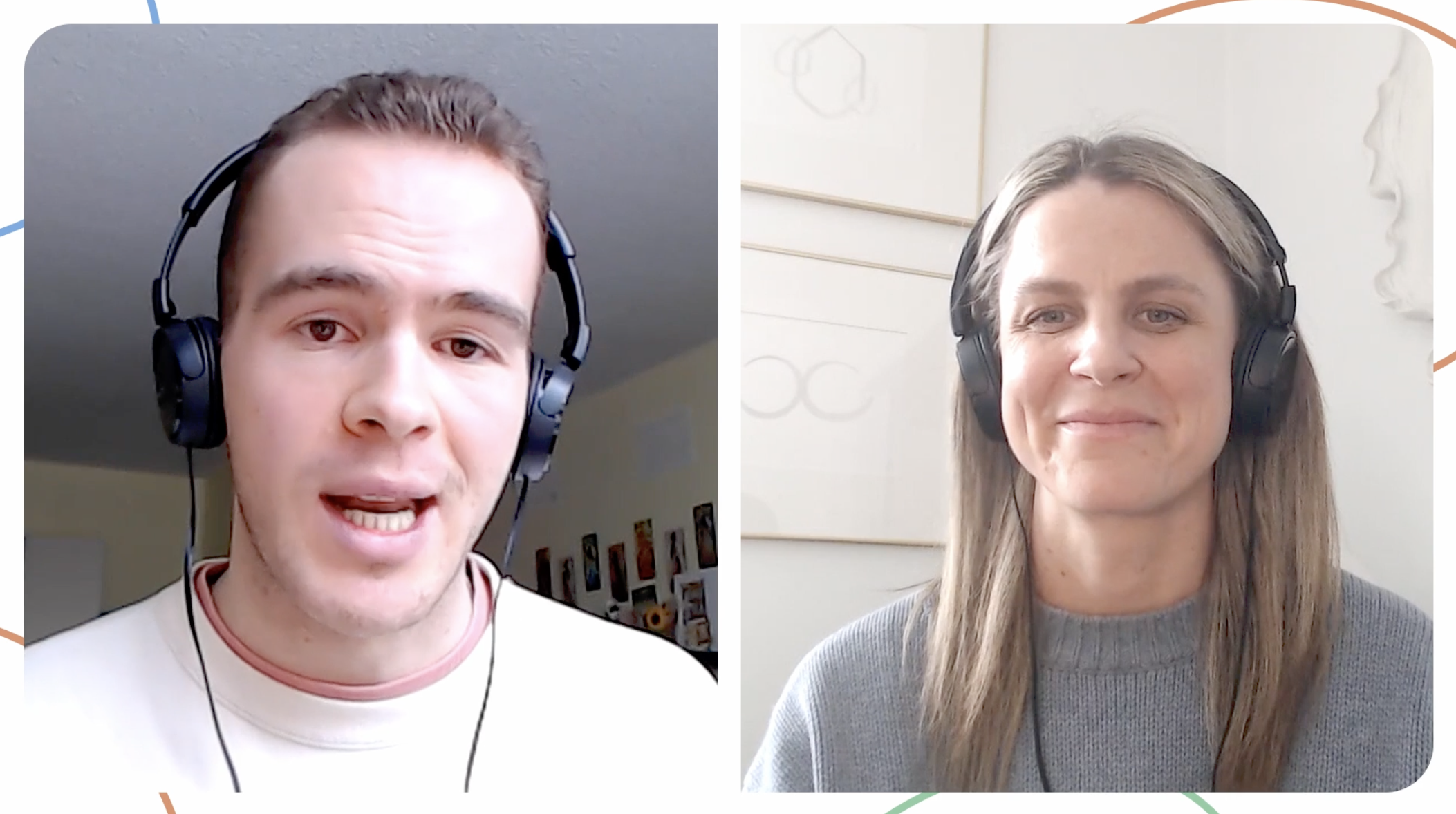
This video lesson helps students build empathy, inclusion, and supportive communication skills to strengthen community well-being after emergencies.

Know someone struggling with their mental health?
Be There is a game-changing mental health resource that teaches anyone how to support people when they're struggling with their mental health. Whether you have 5 minutes or 5 hours, get started at BeThere.org.
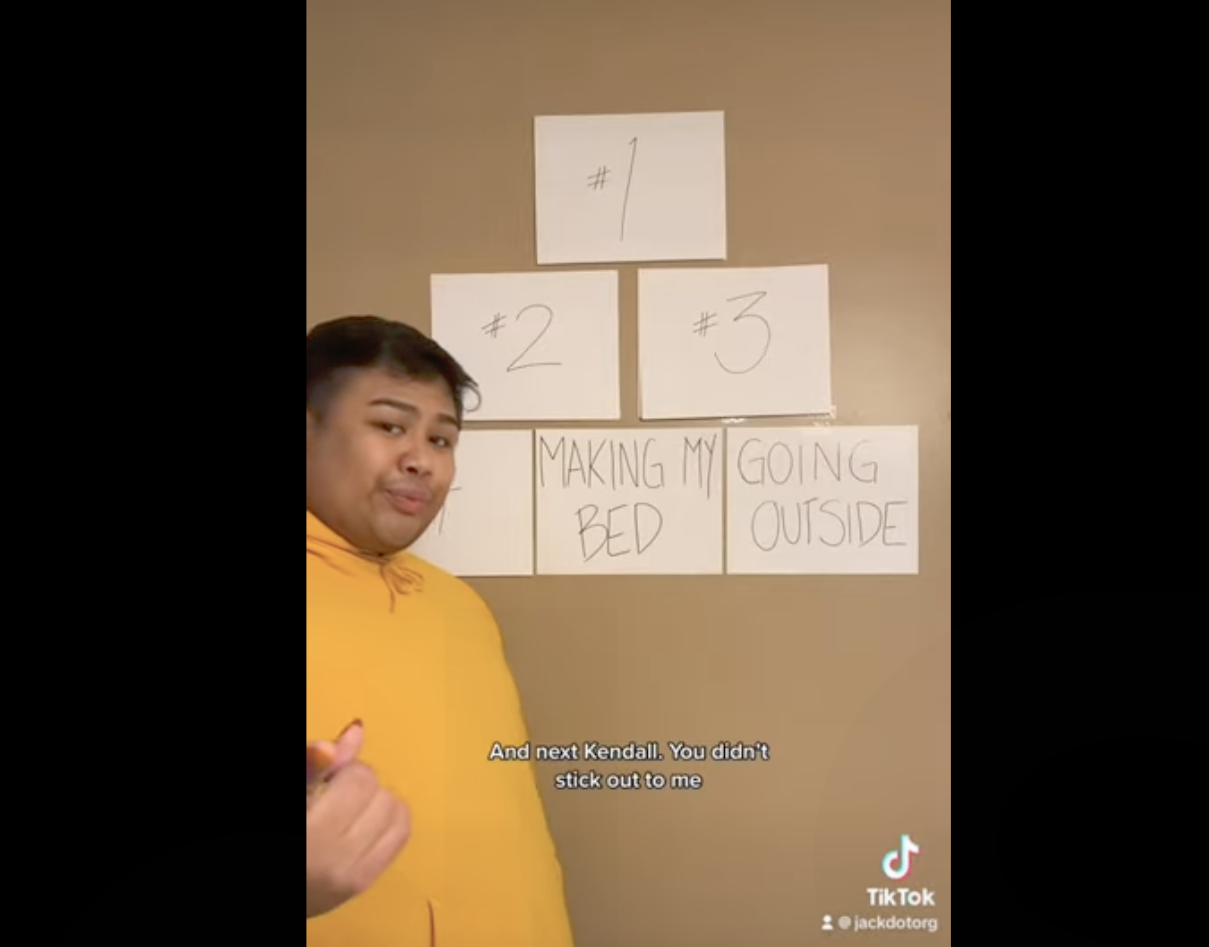
What's your self-care pyramid? Quelle est ta pyramide d'autosoins?

Know someone struggling with their mental health? Be There is a game-changing mental health resource that teaches anyone how to support people when they're struggling with their mental health. Whether you have 5 minutes or 5 hours, get started at BeThere.org.

Know someone struggling with their mental health? Be There is a game-changing mental health resource that teaches anyone how to support people when they're struggling with their mental health. Whether you have 5 minutes or 5 hours, get started at BeThere.org.

Know someone struggling with their mental health? Be There is a game-changing mental health resource that teaches anyone how to support people when they're struggling with their mental health. Whether you have 5 minutes or 5 hours, get started at BeThere.org.

Know someone struggling with their mental health? Be There is a game-changing mental health resource that teaches anyone how to support people when they're struggling with their mental health. Whether you have 5 minutes or 5 hours, get started at BeThere.org. SHARE YOUR "BE THERE" LOVE! Head to BeThere.org/Photo to create your own Be There pic. Head over to our Instagram Stories to join our interactive Be There campaign. Created by Jack.org.

Know someone struggling with their mental health? Be There is a game-changing mental health resource that teaches anyone how to support people when they're struggling with their mental health. Whether you have 5 minutes or 5 hours, get started at BeThere.org.

Know someone struggling with their mental health? Be There is a game-changing mental health resource that teaches anyone how to support people when they're struggling with their mental health. Whether you have 5 minutes or 5 hours, get started at BeThere.org.

In recognition of Canadian Mental Health Week, Jack.org has launched a national campaign promoting their youth mental health resource Be There, which aims to give young people the tools they need to support friends experiencing mental health issues. The new campaign includes a series of online videos that show young people unlocking video game–style achievements for practicing skills like checking in on a friend, being an attentive listener, and not trying to fix a friend’s problem by giving unhelpful advice. Visit https://bethere.org/Level-Up for more.

Know someone struggling with their mental health? Be There is a game-changing mental health resource that teaches anyone how to support people when they're struggling with their mental health. Whether you have 5 minutes or 5 hours, get started at BeThere.org.

Know someone struggling with their mental health? Be There is a game-changing mental health resource that teaches anyone how to support people when they're struggling with their mental health. Whether you have 5 minutes or 5 hours, get started at BeThere.org.

Know someone struggling with their mental health? Be There is a game-changing mental health resource that teaches anyone how to support people when they're struggling with their mental health. Whether you have 5 minutes or 5 hours, get started at BeThere.org.

Know someone struggling with their mental health? Be There is a game-changing mental health resource that teaches anyone how to support people when they're struggling with their mental health. Whether you have 5 minutes or 5 hours, get started at BeThere.org.
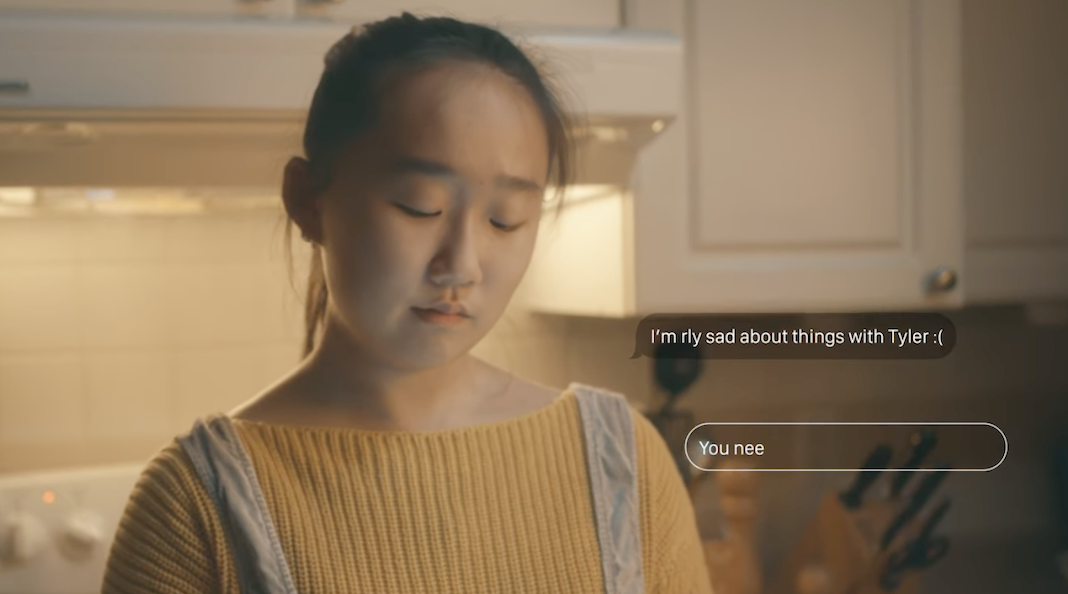
In recognition of Canadian Mental Health Week, Jack.org has launched a national campaign promoting their youth mental health resource Be There, which aims to give young people the tools they need to support friends experiencing mental health issues. The new campaign includes a series of online videos that show young people unlocking video game–style achievements for practicing skills like checking in on a friend, being an attentive listener, and not trying to fix a friend’s problem by giving unhelpful advice. Visit https://bethere.org/Level-Up for more.

Know someone struggling with their mental health? Be There is a game-changing mental health resource that teaches anyone how to support people when they're struggling with their mental health. Whether you have 5 minutes or 5 hours, get started at BeThere.org.

Know someone struggling with their mental health? Be There is a game-changing mental health resource that teaches anyone how to support people when they're struggling with their mental health. Whether you have 5 minutes or 5 hours, get started at BeThere.org.

Know someone struggling with their mental health? Be There is a game-changing mental health resource that teaches anyone how to support people when they're struggling with their mental health. Whether you have 5 minutes or 5 hours, get started at BeThere.org.
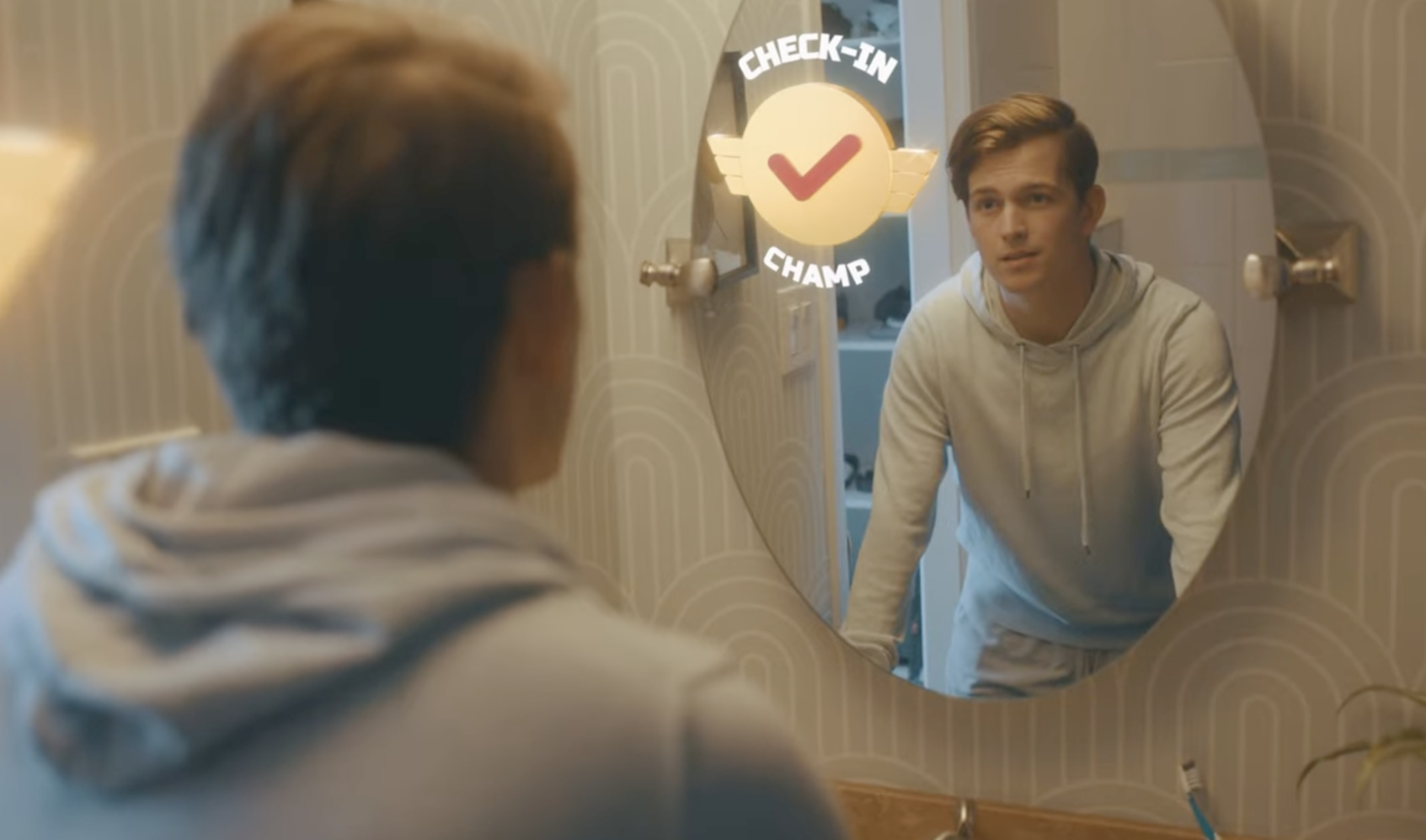
In recognition of Canadian Mental Health Week, Jack.org has launched a national campaign promoting their youth mental health resource Be There, which aims to give young people the tools they need to support friends experiencing mental health issues. The new campaign includes a series of online videos that show young people unlocking video game–style achievements for practicing skills like checking in on a friend, being an attentive listener, and not trying to fix a friend’s problem by giving unhelpful advice. Visit https://bethere.org/Level-Up for more.

Sadia & Luana - Say What You See | BeThere.org

Know someone struggling with their mental health? Be There is a game-changing mental health resource that teaches anyone how to support people when they're struggling with their mental health. Whether you have 5 minutes or 5 hours, get started at BeThere.org.

As a part of Jack Intersections: Mental Health in a Changing World, this Together in Change video features a subject matter expert and a young person discussing eco-anxiety, grief, and loss in the context of environmental change. They explore how concerns about the climate and the future can affect our mental health and emotions. The conversation also shares ways to process these feelings and support ourselves and each other through them.
As a part of Jack Intersections: Mental Health in a Changing World, this Together in Change video features a subject matter expert and a young person discussing digital well-being during emergencies. They explore how news, social media, and constant updates can impact mental health during stressful times. The conversation also shares practical ways to stay informed while protecting your well-being and supporting others online.
This video lesson explores the mental health impacts of climate emergencies on Indigenous communities and ways young people can build resilience and support.
This video lesson helps students understand the mental health impacts of financial stress, build coping skills, and connect with trusted supports.
Parcourez nos ressources gratuites sur la promotion de la santé mentale pour commencer à vous préparer et à apprendre dès aujourd'hui.

Jack.org est un organisme de bienfaisance canadien qui travaille avec les jeunes pour bâtir l’avenir de la santé mentale dont nous avons besoin.
Ce site n’est pas destiné à la divulgation personnelle de problèmes de santé mentale, de pensées ou de comportements suicidaires. Si vous êtes en crise, appelez une ligne d’assistance téléphonique, le 911 ou les services d’urgence, ou rendez-vous à l’urgence la plus proche.
Numéro d’enregistrement d’organisme de bienfaisance canadien : 84852 1837 RR0001

This is not a site for personal disclosure of mental health distress, suicidal thoughts or behaviours. If you or someone you know is in crisis, please call a helpline, 9-1-1 or emergency services, or go to your nearest emergency department.
If someone’s thoughts or behaviours threaten the safety of themselves or others, then this is what’s called a mental health crisis. Call a helpline, 9-1-1 or emergency services. If someone has recently hurt themselves, but is no longer in danger, follow Be There’s Golden Rules and connect them to resources in their area.
